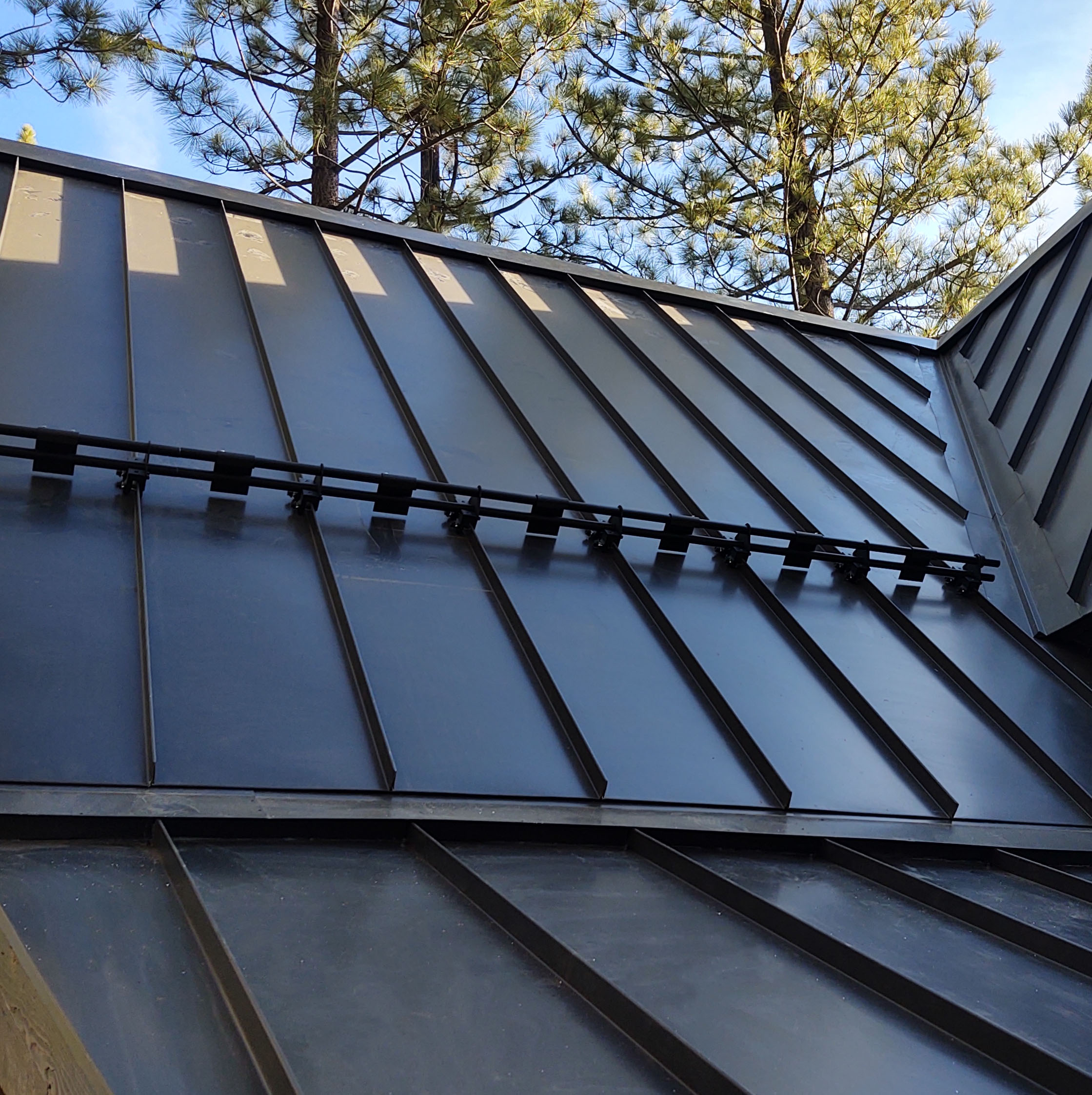
The Deck Question
The condition of the roof deck is central to the overlay-versus-tear-off decision, and a Connersville homeowner should understand why it matters so much. Here is the deck question explained.
The Deck Is the Foundation
The deck, the structural surface the roofing attaches to, is the foundation of the entire roof system, and its soundness is essential to the roof's performance and longevity. A new metal roof is only as good as the deck beneath it. This is why the deck's condition figures so prominently in the overlay decision, since the deck supports everything above it. A sound deck is fundamental.
Overlay Hides the Deck
An overlay covers the deck without inspecting it, so its condition remains unknown and any problems go unaddressed beneath the new roof. If the deck has hidden rot, water damage, or weak spots, these are sealed in rather than repaired, which can undermine the new roof over time. This inability to see and address the deck is the overlay's central risk. What you cannot see can still cause trouble.
Tear-Off Reveals the Deck
A tear-off removes the old roofing and exposes the deck for a full inspection, so any damage can be found and repaired before the new roof goes on, ensuring a sound foundation. This is one of the tear-off's most important advantages, the assurance that the roof is built on a deck verified to be in good condition. Revealing and addressing the deck is a key benefit of tearing off.
When the Deck Is the Deciding Factor
On older roofs, roofs with any history of leaks, or any situation where deck problems are plausible, the deck question often tips the decision toward a tear-off, since the risk of sealing in deck damage is too significant to accept. Where the deck's soundness is uncertain, inspecting it is the prudent course. In these cases, the deck alone can justify a tear-off. Its importance can be decisive.
Assessing the Deck Risk
A contractor experienced in metal roofing assesses the likelihood of deck problems based on the roof's age, history, and visible signs, and advises whether the deck risk warrants a tear-off. This judgment is part of an honest evaluation of overlay versus tear-off. Weighing the deck risk properly is essential to a sound decision. It is a key part of what a professional assessment provides.
The Deck Question, in Short
The deck is the roof's foundation, and an overlay hides it while a tear-off reveals it for inspection and repair. On older roofs or those with possible deck issues, the deck question often justifies a tear-off to ensure a sound base.
It also helps Connersville homeowners to understand that whether an overlay is appropriate is genuinely case-by-case, depending on a specific set of conditions that a professional assessment is meant to evaluate, rather than being either always fine or always a bad idea. There are situations where an overlay is a perfectly reasonable choice, when the existing roof is in genuinely good condition with no leaks or signs of deck trouble, when the deck beneath is sound, when local building code permits the additional layer rather than the roof already having reached the allowed limit, when the structure can comfortably support the added weight, and when managing cost is a real priority for the homeowner. When all of those conditions are met, the overlay's savings can be captured without taking on undue risk, and recommending it is sound. There are equally situations where an overlay would be a mistake, on an older roof, one with a history of leaks, one where deck problems are plausible, where code prohibits another layer, or where the structure cannot bear the weight, and in those cases a tear-off is clearly the right path. The job of an honest contractor is to assess your particular roof against these conditions and tell you straight which approach fits, rather than defaulting to the cheaper overlay to win the job or pushing a tear-off unnecessarily. That case-by-case honesty, grounded in an actual evaluation of your roof's condition, deck, code situation, and structure, is what leads to the decision you will be glad of years down the road, when the roof is performing as it should on a foundation you can trust.
It also helps Connersville homeowners to understand that whether an overlay is appropriate is genuinely case-by-case, depending on a specific set of conditions that a professional assessment is meant to evaluate, rather than being either always fine or always a bad idea. There are situations where an overlay is a perfectly reasonable choice, when the existing roof is in genuinely good condition with no leaks or signs of deck trouble, when the deck beneath is sound, when local building code permits the additional layer rather than the roof already having reached the allowed limit, when the structure can comfortably support the added weight, and when managing cost is a real priority for the homeowner. When all of those conditions are met, the overlay's savings can be captured without taking on undue risk, and recommending it is sound. There are equally situations where an overlay would be a mistake, on an older roof, one with a history of leaks, one where deck problems are plausible, where code prohibits another layer, or where the structure cannot bear the weight, and in those cases a tear-off is clearly the right path. The job of an honest contractor is to assess your particular roof against these conditions and tell you straight which approach fits, rather than defaulting to the cheaper overlay to win the job or pushing a tear-off unnecessarily. That case-by-case honesty, grounded in an actual evaluation of your roof's condition, deck, code situation, and structure, is what leads to the decision you will be glad of years down the road, when the roof is performing as it should on a foundation you can trust.
One point worth being clear about with Connersville homeowners is that the overlay-versus-tear-off question is one where the cheapest upfront option and the soundest long-term choice often diverge, and a trustworthy contractor will be honest about that even when it means recommending the more expensive path. The appeal of an overlay is straightforward and real, by leaving the old shingles in place and installing the metal roof over them, you avoid the labor of tearing off the old roof and the cost of hauling away and disposing of the debris, which can be a meaningful portion of the total project cost. For a homeowner managing a budget, that savings is genuinely attractive. But the savings come with a significant catch that is easy to overlook, the old roof and the deck beneath it are sealed up out of sight rather than inspected and addressed. The deck is the structural foundation that the entire roof attaches to, and if it has hidden rot, water damage, or weak spots, an overlay locks those problems in beneath a brand-new metal roof meant to last for decades, where they can quietly undermine the investment. A tear-off, by contrast, removes everything down to the deck, exposing it for a full inspection so that any damage can be found and repaired before the new roof goes on, ensuring the metal roof is built on a verified-sound base. This is why, on older roofs or any roof where deck problems are plausible, a tear-off is frequently the wiser choice despite costing more, and why the honest answer to whether you can overlay is often that you can, but you may not want to.
Have Your Deck Risk Assessed
Connersville Metal Roofing assesses the deck risk for Connersville homeowners and advises honestly whether an overlay is safe or a tear-off is warranted. Call {phone} for a free evaluation that weighs your deck's likely condition and points you toward the sounder choice for a lasting roof.